
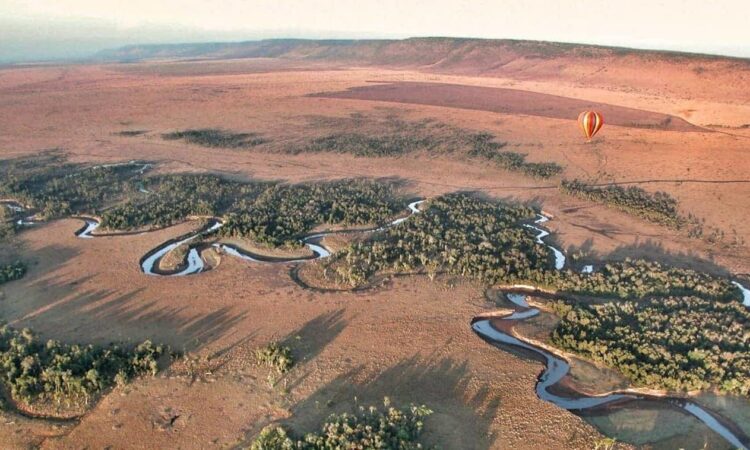
The Mara North Conservancy is a private wilderness conservation area that covers about 72,080 acres of land. Mara North Conservancy Masai Mara is an important part of the Masai Mara National Reserve and forms the north western sector of this area. The Masai Mara is located in the southern region of Kenya.
Location and Coverage
Mara North Conservancy Masai Mara is found next to the main reserve, which makes it part of the larger Mara ecosystem. Its location helps support wildlife movement between the reserve and nearby areas.
The large size of Mara North Conservancy Masai Mara allows animals to move freely, find food, and access water sources.
Establishment and Growth
Mara North Conservancy Masai Mara was started in the year 2009. Since then, it has grown into one of the well managed conservancies in the region.
The conservancy works with about 10 camps and 2 other tour establishments. These partners help support tourism and conservation activities in the area.
Community Partnership
Mara North Conservancy Masai Mara works closely with local communities. There are about 783 landowners who partner with the conservancy.
These landowners allow their land to be used for conservation. In return, they benefit from tourism and other programs supported by the conservancy.
Conservation Goals
The main aim of Mara North Conservancy Masai Mara is to create a best practice conservancy with long term commitments to the environment, wildlife, and local communities.
The conservancy works to protect wildlife habitats, support community development, and manage tourism in a controlled way.
Tourism and Visitor Experience
Tourism in Mara North Conservancy Masai Mara is managed carefully to reduce crowding and protect the environment. Visitors can enjoy game drives in a quiet setting with fewer vehicles.
This helps improve the safari experience while also supporting conservation efforts.
Importance of Mara North Conservancy
Mara North Conservancy Masai Mara plays an important role in wildlife conservation and community support.
It helps protect land, supports local people, and ensures that wildlife can live safely within the Masai Mara ecosystem.


