
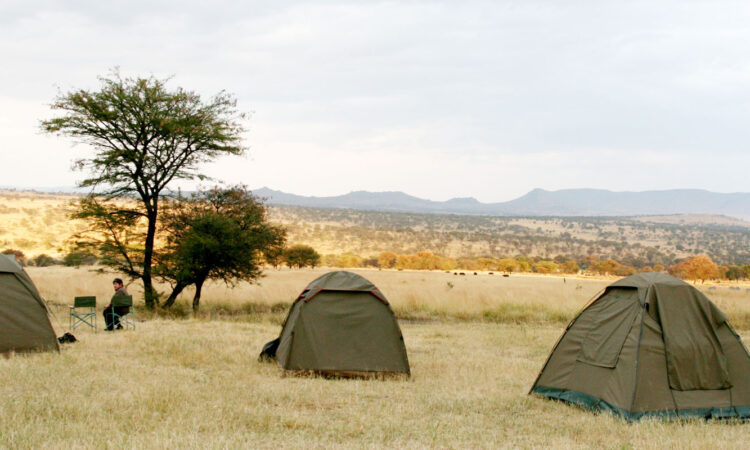
Camping in Masai Mara National Reserve gives you a chance to experience outdoor life as you enjoy the wild. The Masai Mara is located in the south western part of Kenya. Camping here allows you to stay close to nature and listen to sounds of wildlife at night.
There are both public and private campsites in Masai Mara National Reserve. The experience is not very different, but the way you access them is different.
Public and Private Campsites in Masai Mara
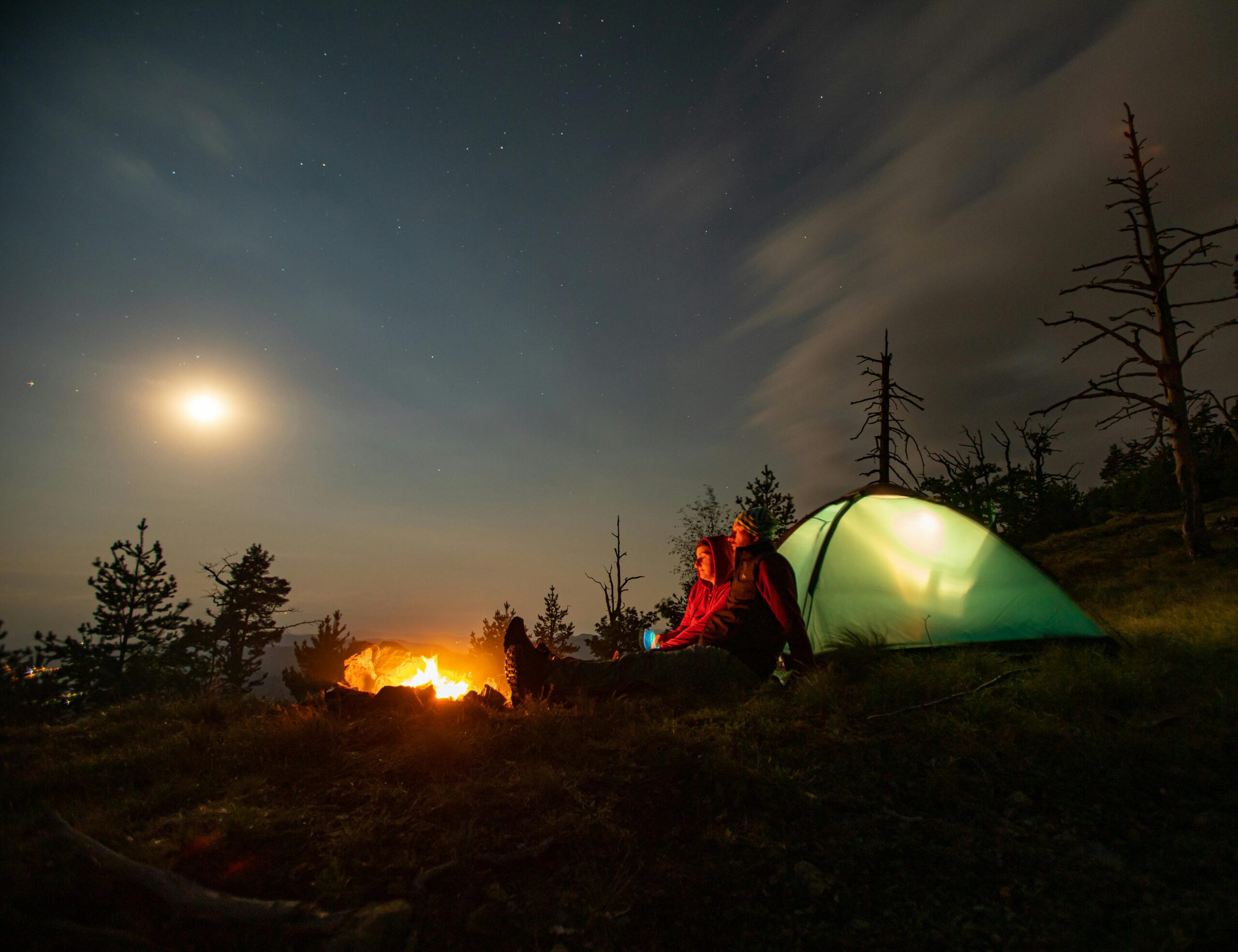
Most private campsites require you to book early and pay a booking fee before your visit. These campsites are managed by operators and often have more organized services.
Public campsites are more flexible. You can arrive and set up when you are ready, depending on space availability. This makes them a good choice for travelers who prefer simple planning.
There are about eight campsites in Masai Mara National Reserve. Five of these are public campsites, while three are managed by operators. The private campsites include Kampi ya Mungu, Kijito, and Kishanga.
Other campsites in Masai Mara include Kiboko and Ndovu campsites. There are also campsites at Oloololo Gate and near Serena Hotel. These camps have basic facilities such as toilets, showers, and ranger security.
Camping Fees and Charges
Camping fees in Masai Mara National Reserve depend on several factors. These include your nationality, the number of days you stay, and the type of campsite you choose.
Kenyans, East African citizens, and other African visitors usually pay lower fees compared to international visitors. In many cases, children are not charged, and students may receive discounts.
Some campsites offer rental equipment at an extra cost. You can rent items such as tents, foam mattresses, tables, chairs, cool boxes, gas tanks, burners, cooking utensils, plates, cups, and lights. Some camps also provide a cook if you need help with meals.
Safety During Camping in Masai Mara
Camping in Masai Mara National Reserve is a great activity that allows you to enjoy fresh air and spend time away from busy daily life. However, safety is very important when camping in the wild.
Choose a Safe Camping Spot
When setting up your tent, check the area carefully. Avoid camping under large trees as branches may fall. Also avoid areas with poor drainage to prevent water from entering your tent. Watch out for ants and anthills when choosing your spot.
Carry Enough Food and Water
Always carry enough food and clean drinking water. Some campsites may only provide water for washing and showers. It is important to have your own safe water for drinking, especially if you are camping far from facilities.
Be Aware of Weather Conditions
The weather in Masai Mara can change quickly. It may be hot during the day and cold at night. Rain can also come at any time. Pack clothes for both warm and cool conditions and prepare for rain.
First Aid and Basic Supplies
Carry a first aid kit at all times. You may get small cuts or insect bites while camping. Medical facilities may be far, so it is important to handle minor issues on your own.
Know Available Services
Before camping, understand what services are available at your campsite. Carry a map and know where help can be found if needed. Mobile network may not be available in some areas, so plan ahead. Keep your devices charged and use battery power carefully.
Watch for Wildlife
Always be aware of wildlife around your campsite. Use insect repellent to protect yourself from bites. Campsites usually have rangers for security, but you must still stay alert. Follow all instructions given by guides and rangers to stay safe.
Camping in Masai Mara National Reserve is a simple and rewarding way to experience the wild while staying close to nature.


