
Interested in the Big Five animals of Masai Mara National Reserve? The Masai Mara National Reserve is located in the south western part of Kenya and covers about 1,510 square kilometers. It borders the Serengeti National Park in Tanzania. This large wildlife area supports many animals and is one of the best places in Kenya for safari experiences.
The Big Five animals of Masai Mara National Reserve include the lion, elephant, buffalo, leopard, and rhino. These animals are among the most searched for by visitors. The reserve also has other animals such as cheetahs, giraffes, zebras, and wildebeest.
Below is a List of the Big Five Animals in Masai Mara
Below is a list of the big five animals in the Masai Mara National Reserve in Kenya.
African Lion in Masai Mara
The African lion is one of the most well known Big Five animals of Masai Mara National Reserve. In the 1960s, floods reduced the number of lions in the area. Only a few lions survived during that time. Later, more lions moved into the reserve, which helped increase the population.
By 1975, more than one hundred lions were found in the Masai Mara. Today, lions are still present, but their numbers can change due to human activity and movement outside protected areas. Lions are social animals and live in groups called prides. They are often seen resting during the day and hunting in the early morning or evening.
African Buffalo in Masai Mara
The African buffalo is another member of the Big Five animals of Masai Mara National Reserve. Buffaloes are strong animals and often move in large groups. This helps them protect themselves from predators.
Both male and female buffaloes have horns. They are large animals and can defend themselves when attacked. Outside protected areas, buffaloes can sometimes come into contact with people, which can lead to conflict.
African Elephant in Masai Mara
The African elephant is one of the largest animals in the Big Five animals of Masai Mara National Reserve. The reserve is one of the best places to see elephants in Kenya.
In the past, elephant numbers reduced due to hunting for ivory. After laws were put in place to stop this, the population began to increase again. Elephants are known for their long trunks, which they use for feeding, drinking, and bathing.
Baby elephants are about 80 centimeters tall at birth. As they grow, they become very large adults. Elephants can drink between 90 and 140 liters of water each day. They can also use their trunks to find water during dry periods. Their size helps protect them from predators, although young elephants may still be at risk.
Rhinoceroses in Masai Mara
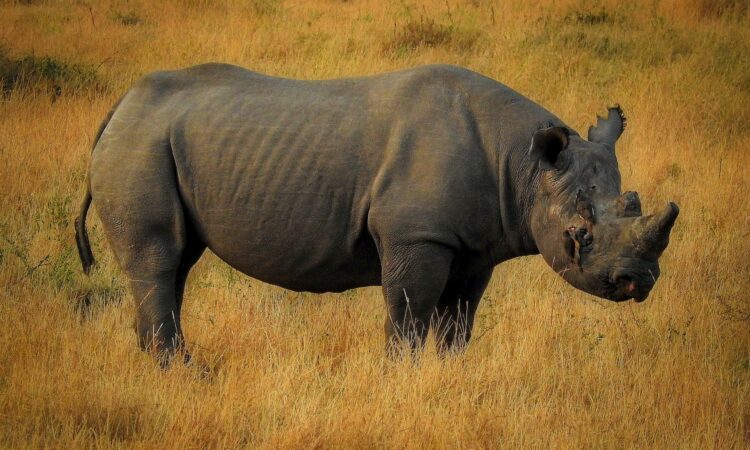
Rhinoceroses are among the most rare Big Five animals of Masai Mara National Reserve. The reserve mainly has black rhinos. These animals are few in number due to past poaching.
In the 1960s, there were about 100 black rhinos in the area. Their numbers dropped over time, but efforts to stop poaching have helped protect them. By 2004, the number of black rhinos in the reserve was about 17.
Today, rhinos are closely monitored to ensure their safety. Seeing a black rhino in the Masai Mara National Reserve is special because they are not easy to find.
Leopard in Masai Mara
The leopard is another important member of the Big Five animals of Masai Mara National Reserve. The area has a good number of leopards, and it is one of the best places in Kenya to see them.
Leopards are shy animals and are mostly active at night. They hunt animals such as antelopes, warthogs, monkeys, and small mammals. At night, they may also hunt animals like bats and other small creatures.
During the day, leopards usually rest. They can be found in trees, caves, or rocky areas where they stay hidden. Their ability to hide makes them harder to see compared to other Big Five animals of Masai Mara National Reserve.
Importance of the Big Five Animals of Masai Mara National Reserve
The Big Five animals of Masai Mara National Reserve are a major attraction for visitors. Each animal plays an important role in the ecosystem. The reserve offers a good chance to see these animals in their natural habitat.
With proper conservation and management, the Masai Mara National Reserve continues to support these animals and provide visitors with a chance to experience wildlife in Kenya.


