
The animals you will see on the Great Migration include large numbers of herbivores and predators moving between Serengeti National Park and Masai Mara National Reserve.
This movement happens every year and follows a clear path in search of food and water. Many travelers visit East Africa to witness this wildlife event and to see the different animals that take part in it.
Migration Route and Movement
During the dry season from July to October, the herds move from Serengeti National Park to the Masai Mara National Reserve. This happens because the grass in the Serengeti becomes dry, and the animals need greener pastures.
The migration route also connects with the Ngorongoro Conservation Area, which is an important part of the movement cycle.
Main Animals in the Great Migration
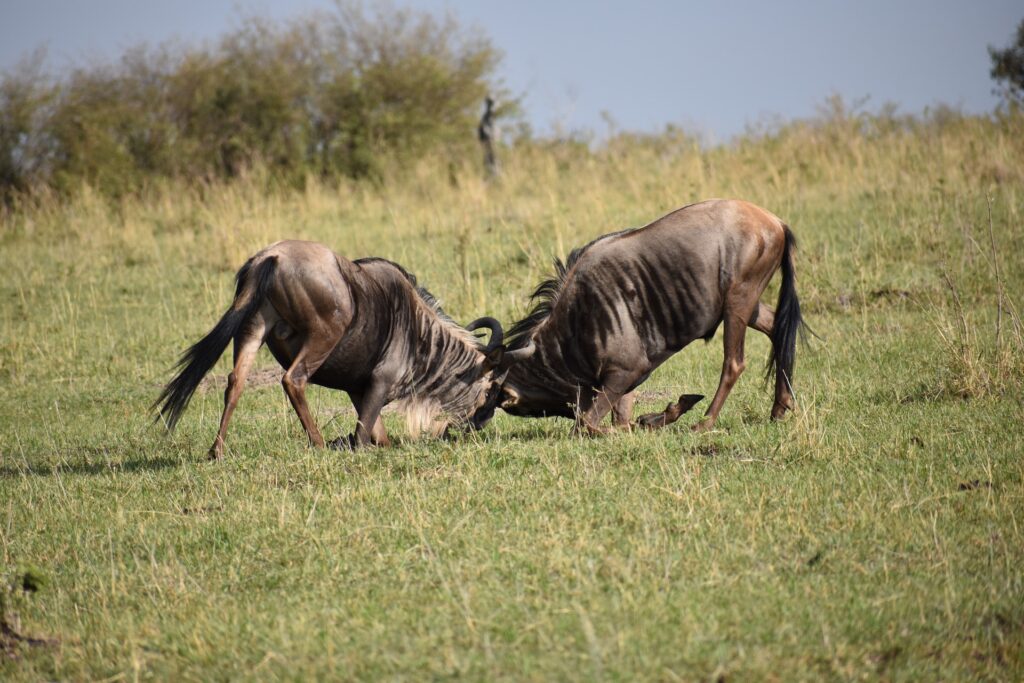
The main animals you will see on the Great Migration are wildebeests. They make up the largest number of animals in the herds. There are over 1.5 million wildebeests moving together during this journey. Along with them, you will also see about 400,000 zebras and over 200,000 gazelles. These include Thomson’s gazelles and Grant’s gazelles. Other antelopes also join the movement as they follow the same path for food and water.
Predators are also part of the Great Migration. As the herds move, they attract animals that hunt them for food. Some of the predators you will see include lions, cheetahs, and hyenas. These animals follow the herds closely because this is their main source of food during the migration period.
River Crossings and Danger
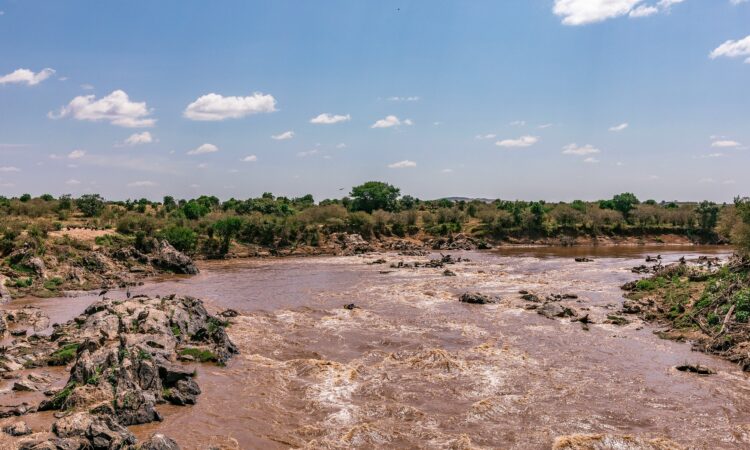
One of the most important moments is when the animals cross rivers like the Mara River. During these crossings, crocodiles wait in the water and hunt the animals as they try to cross. This makes the migration both a movement for survival and a time of danger for many animals.
In simple terms, animals you will see on the Great Migration include wildebeests, zebras, gazelles, antelopes, and predators like lions, cheetahs, hyenas, and crocodiles.


